The Arab League is the region filter that matters most to many GlobeQuizz players, and its 22 members show up together whenever you choose Arab World. They stretch from the Atlantic coast of Mauritania to the Indian Ocean coast of Oman, across two continents. This guide lists every member with its capital and currency, then shows the patterns that make the list easy to learn.
How the League began
The League of Arab States was founded in Cairo in March 1945 by seven states: Egypt, Iraq, Jordan (then Transjordan), Lebanon, Saudi Arabia, Syria and Yemen. Its headquarters has been in Cairo ever since, apart from the years 1979 to 1990, when it moved to Tunis. Membership grew as countries became independent, from Libya in 1953 to Comoros, the last to join, in 1993. Syria's membership was suspended in 2011 and restored in 2023.
Ten members are in Africa and twelve in Asia. The largest by area is Algeria, the smallest is Bahrain, and the most populous is Egypt.
All 22 members
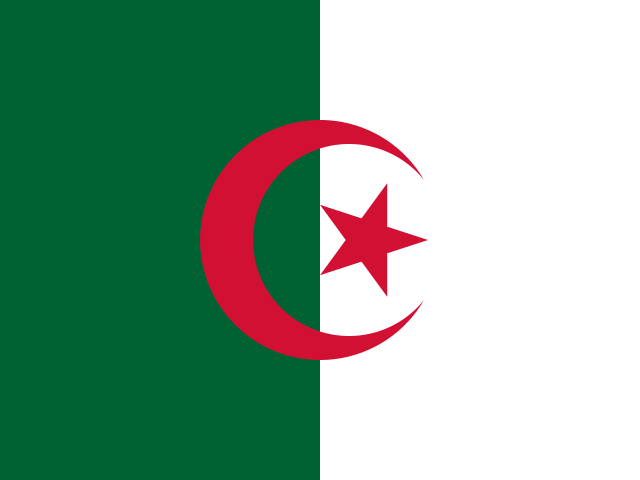
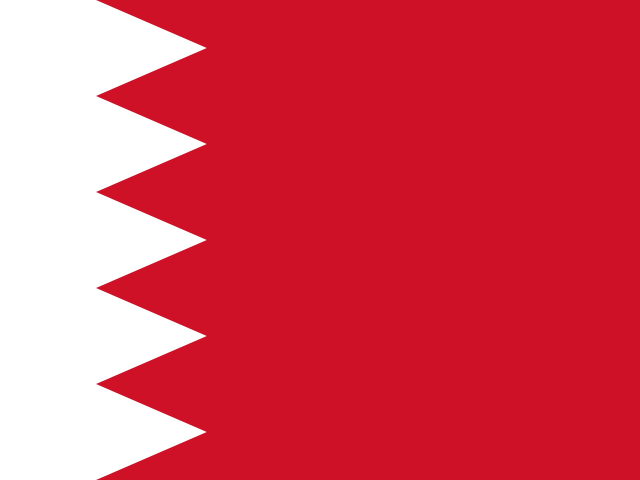
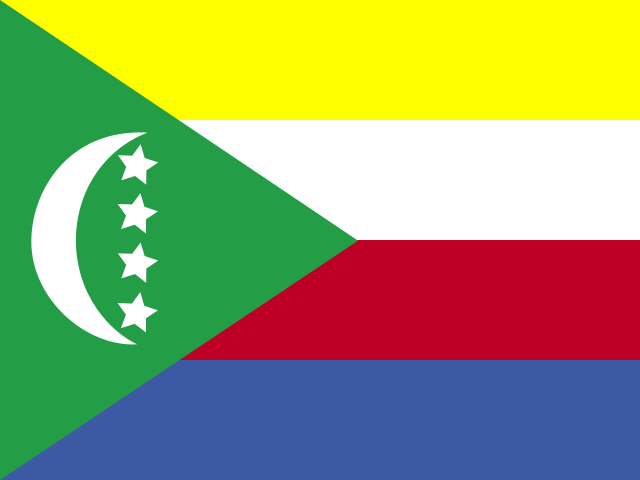
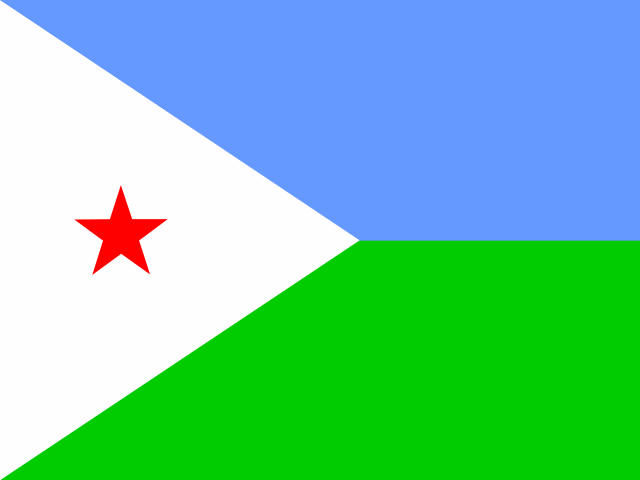
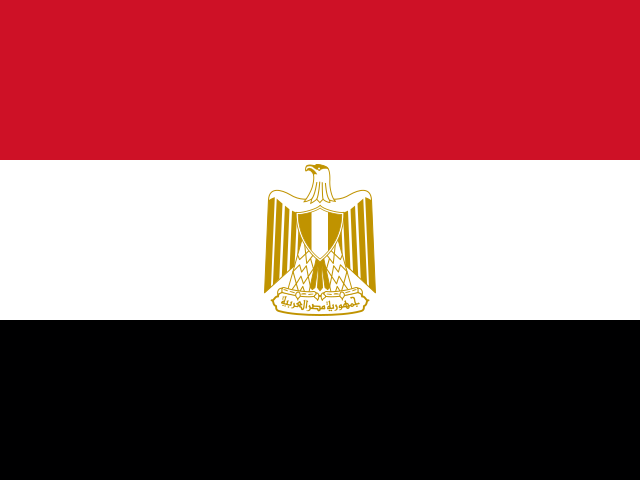
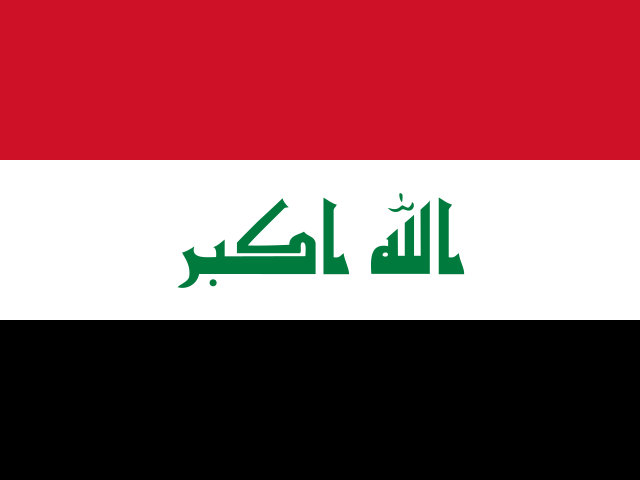
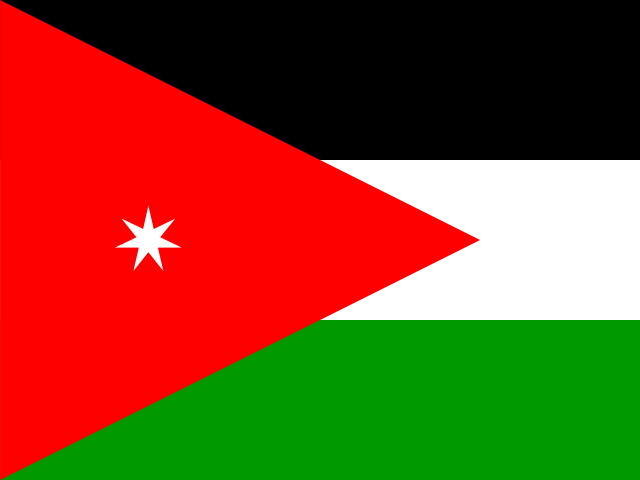
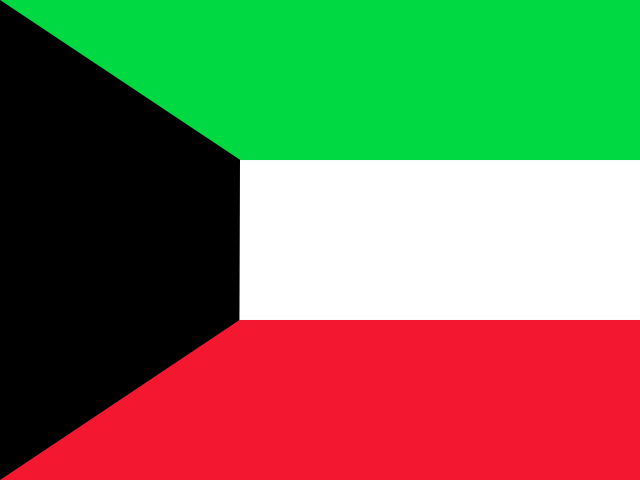
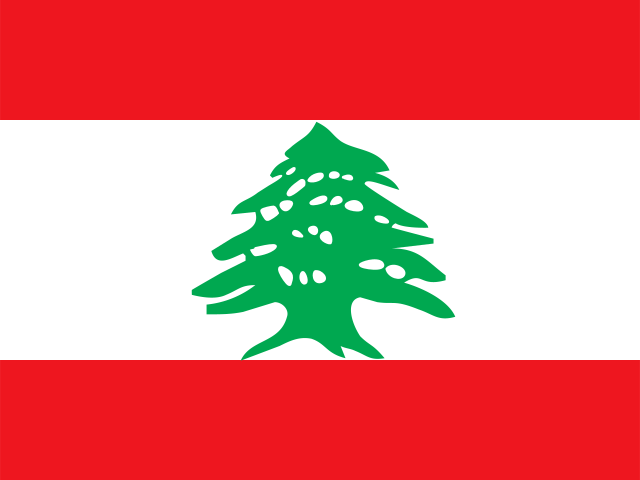
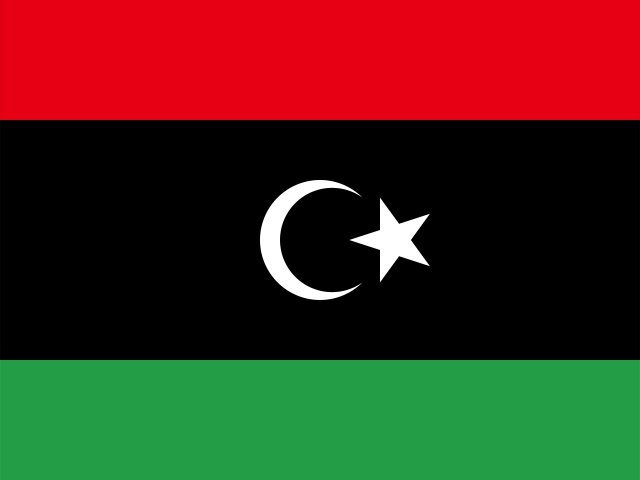
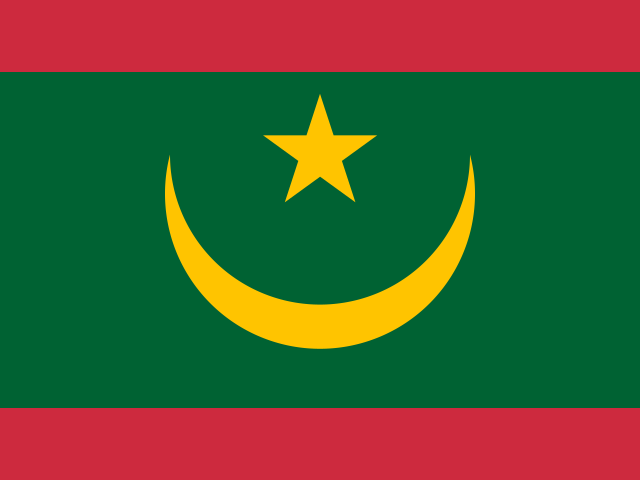
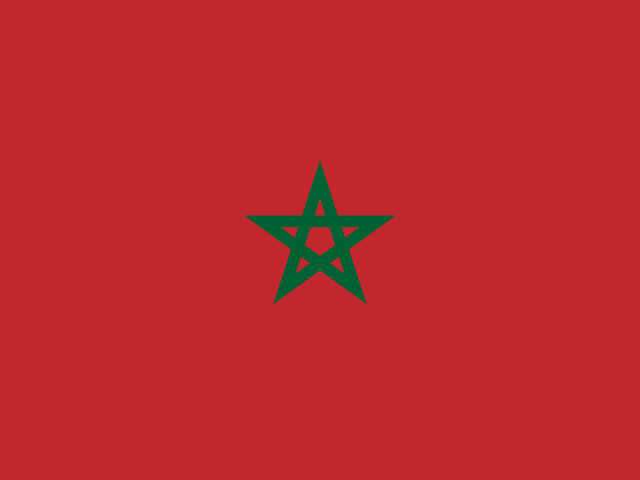
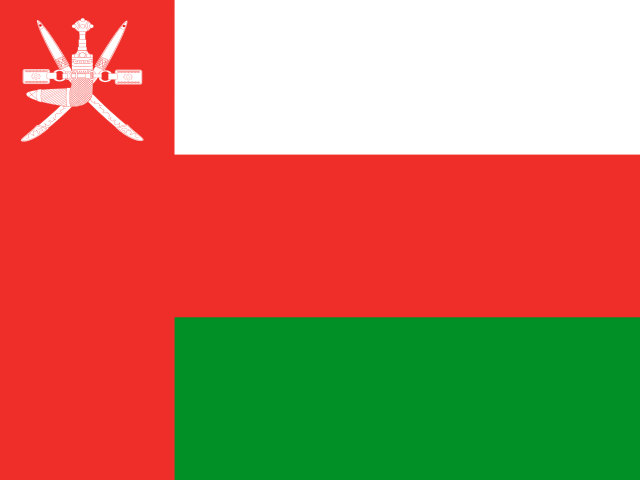
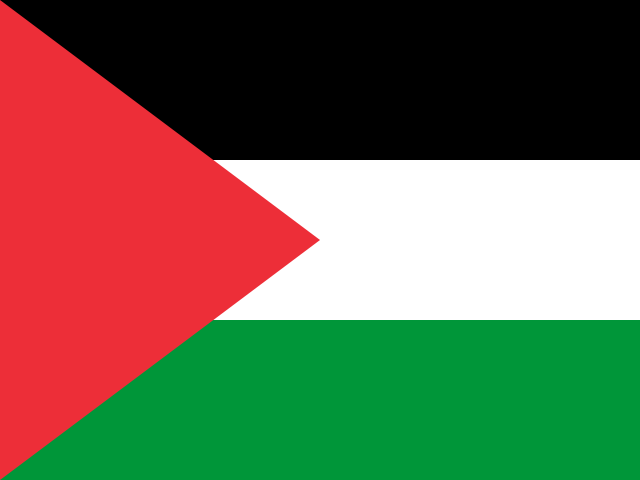
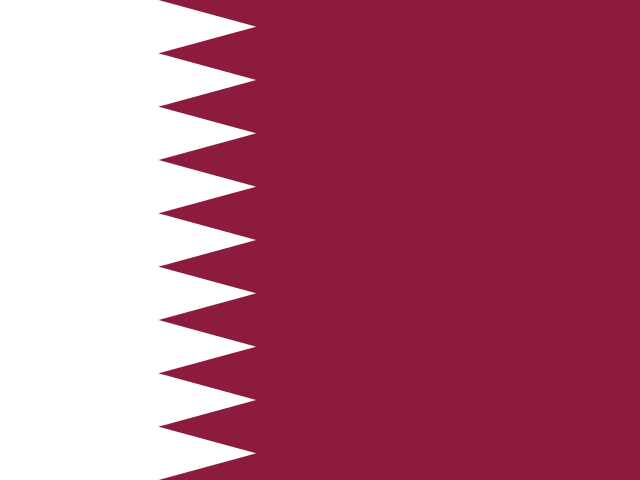
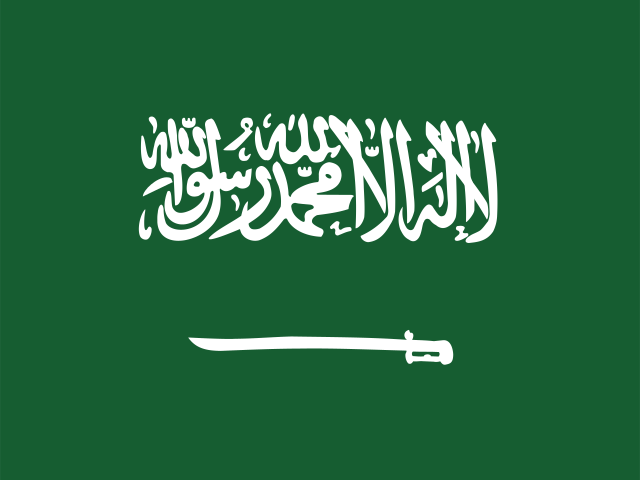
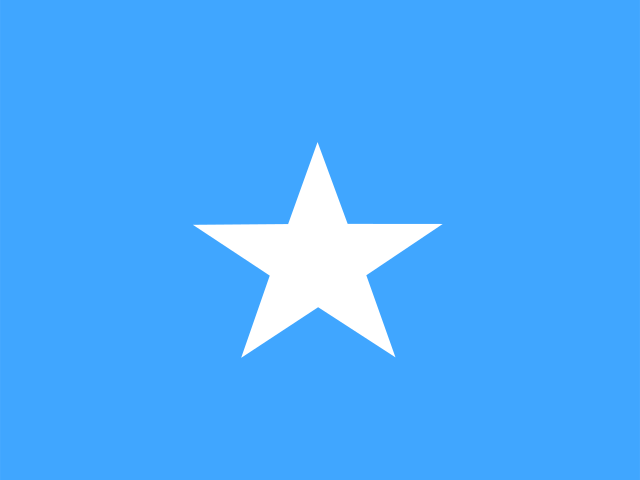
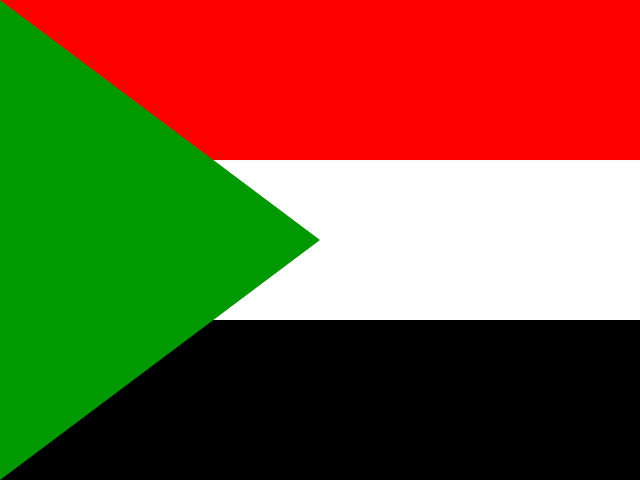
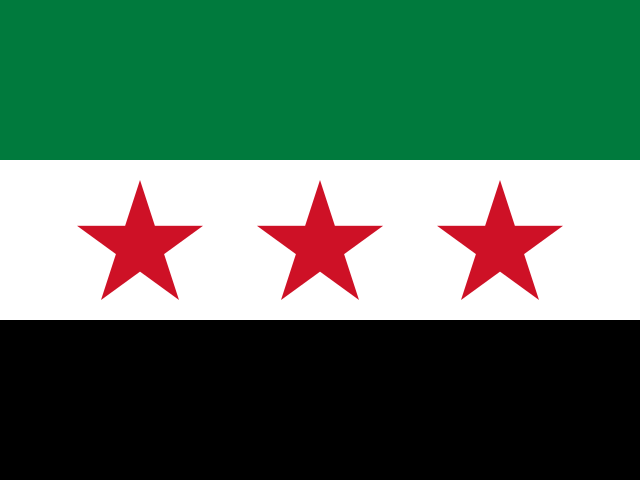
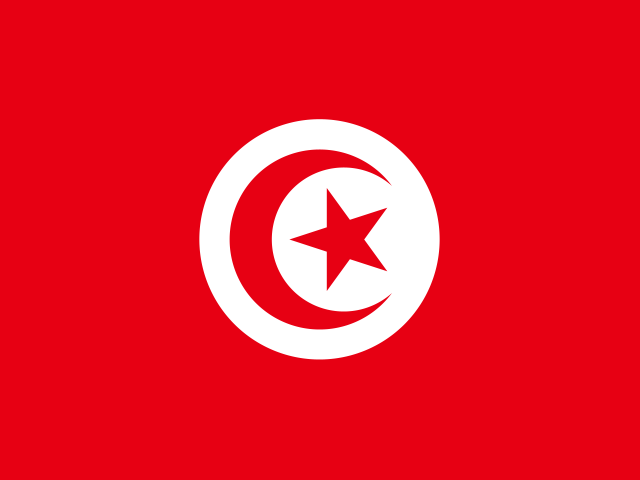
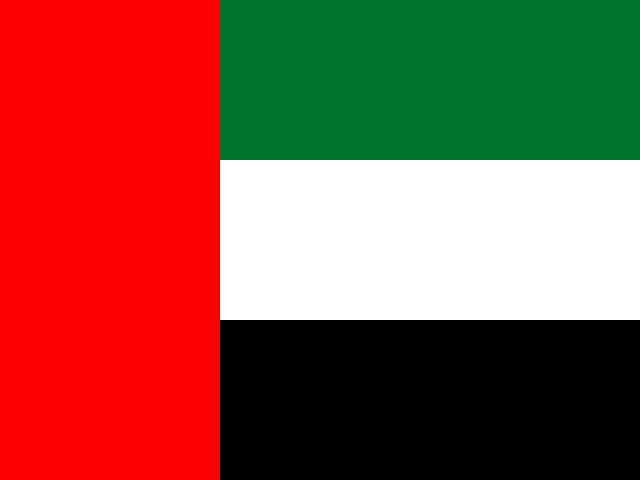
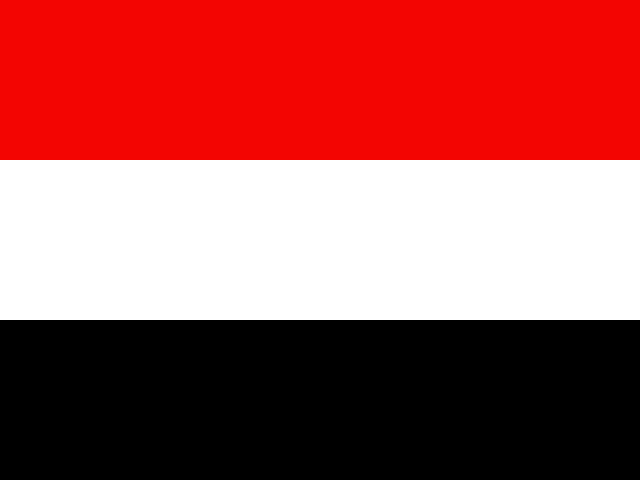
Patterns that help you remember
Capitals that share the country's name. Four members have a capital named after the country, or the other way round: Kuwait and Kuwait City, Djibouti and Djibouti, Tunisia and Tunis, Algeria and Algiers (in Arabic, both are simply al-Jazā'ir). These are easy points in the country-to-capital direction, which is why the quiz never asks them the other way round.
Capitals that start like the country. A few capitals echo their country less directly. Nouakchott and Mauritania do not sound alike at all, which makes Mauritania one of the most missed capitals in the region. Moroni, capital of Comoros, and Mogadishu, capital of Somalia, are two more that catch players out. Say them aloud with their country a few times and they stick.
The Gulf capitals sit on the coast. Manama, Doha, Abu Dhabi, Muscat and Kuwait City are all on the sea. Riyadh is the exception, in the middle of the Najd plateau.
Old cities, old capitals. Several Arab capitals are among the oldest continuously inhabited cities on Earth. Damascus, Baghdad, Cairo and Sana'a were great cities long before the modern borders were drawn, so if a capital sounds ancient and famous, it usually is the one you are looking for. The newest is Nouakchott, built as a capital only around the time of Mauritania's independence in 1960.
Palestine. The capital of Palestine is disputed, so our quizzes never ask it. Its country page explains the situation neutrally, and its fact card shows no currency, because Palestine does not issue its own; the Israeli shekel and the Jordanian dinar are both used.
Currencies by family
Arab currencies come in a handful of families, and recognising the family is half the answer:
- Dinar: Algeria, Bahrain, Iraq, Jordan, Kuwait, Libya and Tunisia.
- Riyal or rial: Saudi Arabia and Qatar use the riyal; Oman and Yemen the rial. In Arabic all four are written the same way.
- Pound: Egypt and Sudan call theirs junayh, while Lebanon and Syria call theirs līra.
- Dirham: Morocco and the United Arab Emirates.
- Franc: Comoros and Djibouti, a legacy of French rule.
- On their own: the Mauritanian ouguiya and the Somali shilling.
Because so many names repeat, the Currencies quiz shows each one with its symbol, and the symbol carries the clue: ر.س for the Saudi riyal, ر.ق for the Qatari riyal, د.ك for the Kuwaiti dinar. Our guide to the dinar, the riyal and the pound explains where these names come from.
Languages
Arabic is official in all 22 members, but several share the role. Somali is official in Somalia, Kurdish in Iraq, Tamazight in Morocco and Algeria, and French in Comoros and Djibouti, alongside Comorian in Comoros. The languages guide has more.
Play the region
Choose the Arab World quiz for a mix of flags, capitals, currencies, languages and outlines from these 22 countries, or browse the Arab World region page first. Start on Easy, where wrong options come from the same region, then move to Hard, where neighbours and look-alike flags make every round count.